
Guest article from qasli.com.
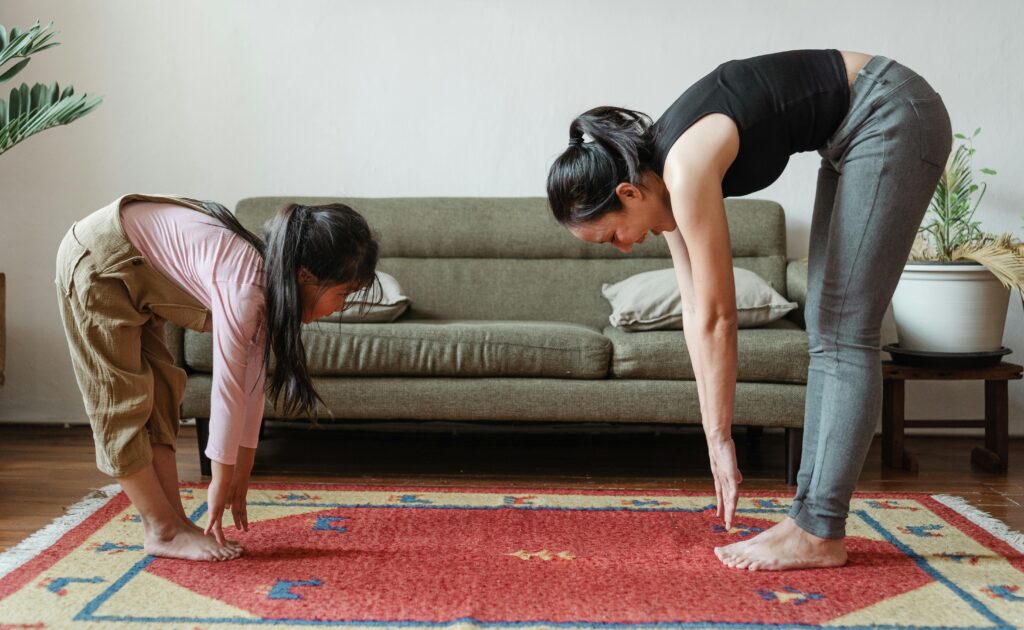
Photo By Pexels
Raising healthy kids isn’t just about exercise or balanced meals — it’s about creating daily routines that support physical growth, mental development, and creativity. Children thrive when activity, nutrition, and hands-on learning are integrated naturally into their day. By encouraging habits that are enjoyable and consistent, parents can help children develop a foundation for lifelong wellness.
Making Physical Activity a Natural Part of the Day
Movement is essential for children’s physical development, supporting healthy bones, muscles, and coordination. Rather than enforcing structured workouts, activity can be built into everyday routines. Walking or biking to school, playing games in the backyard, or engaging in family-friendly sports are effective ways to keep kids active without pressure.
Short bursts of movement, like stretching in the morning, quick indoor dance sessions, or even a mini scavenger hunt, can make a meaningful difference. Many families find that exploring creative ways to stay active, such as combining play with imagination or themed challenges, helps children stay engaged while learning to move their bodies.
Making Nutrition Fun and Accessible
Healthy eating doesn’t have to be complicated or restrictive. Kids are more likely to enjoy nutritious foods when meals are colorful, interactive, and allow them to participate. Simple strategies, like offering fruit and vegetable “snack stations” or letting children assemble their own wraps and snacks, can make meals exciting and engaging.
Parents can also turn nutrition into an exploratory experience, trying international snacks or cooking small projects that teach kids about ingredients and flavors. For example, trying new foods through subscription boxes or creative meal kits can make healthy eating feel like an adventure.
Encouraging Creativity Through Hands-On Learning
Creative activities are just as important for children’s development as exercise and nutrition. Arts and crafts improve fine motor skills, focus, problem-solving, and self-expression. Simple projects, like drawing, painting, or building models, can give children a sense of accomplishment and encourage imagination.
Parents can integrate crafts into daily life by combining learning with play. For instance, making DIY decorations, creating themed art projects, or even designing small home experiments allows kids to engage their creativity while developing practical skills. Many families discover inspiration for age-appropriate, engaging craft ideas, for hands-on learning, made simple and fun.
Establishing Routines That Promote Wellness
Consistent routines help children feel secure and support healthy habits. Regular meal times, play periods, creative sessions, and bedtime routines all contribute to better focus, emotional balance, and overall wellbeing. Integrating wellness activities into these routines — such as morning stretches, after-school walks, or evening craft projects — ensures that children experience a balanced lifestyle without feeling burdened by rules.
Creating structure around active play, nutritious meals, and creative outlets helps kids understand that healthy habits can be fun and natural, rather than forced.
Supporting Emotional and Social Growth
Physical and creative activities also support emotional and social development. Collaborative projects, group games, or family arts and crafts sessions foster teamwork, communication, and resilience. Encouraging children to express themselves through creative play or group activities helps them develop confidence and problem-solving skills, while active games build energy and coordination.
Combining movement, nutrition, and creativity into daily life allows children to thrive holistically, balancing body, mind, and imagination.
Practical Tips for Busy Families
- Incorporate movement naturally through walking, biking, or active play.
- Make meals interactive and fun, letting children help prepare or assemble food.
- Include short creative activities daily to encourage focus and expression.
- Keep routines consistent but flexible, blending wellness, activity, and play.
- Try new experiences and foods gradually to build curiosity and engagement.
Even small, consistent adjustments can have a long-term impact on children’s physical, mental, and creative development.
Healthy habits for children don’t have to be complicated. By combining physical activity, balanced nutrition, and creative learning into everyday routines, parents can create a foundation for lifelong wellness. Activities that feel natural, engaging, and enjoyable encourage kids to embrace healthy habits on their own.
Whether it’s exploring new foods, experimenting with crafts, or incorporating small bursts of movement into daily life, children who grow up in environments that balance health and creativity are more likely to develop habits that last.