
Guest article by qasli.com
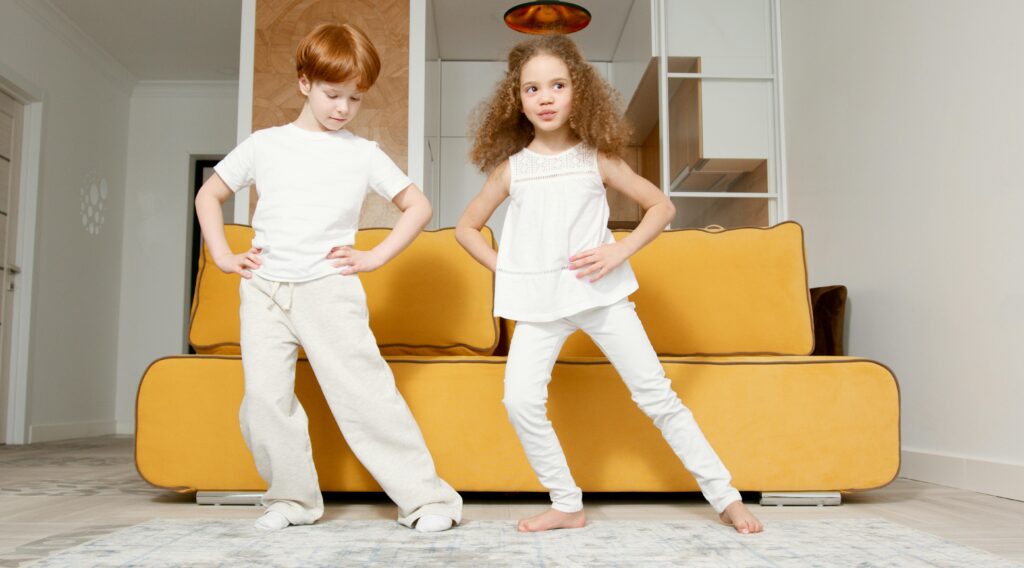
Photo by Pexels
Raising active, healthy children isn’t just about sports or gym time; it’s about creating a lifestyle where movement feels fun, natural, and rewarding. At its core, being a “fit kid” involves physical activity, good nutrition, and emotional well-being working together to support overall development.
But what happens when the weather is bad, schedules are packed, or your child simply isn’t interested in traditional exercise? The good news is that staying active can be creative, flexible, and even educational.
Why Variety Matters for Kids’ Fitness
Children thrive when they’re exposed to a variety of activities. Exploring different types of play—whether physical, creative, or social—helps them build confidence, coordination, and a lifelong interest in staying active.
Instead of forcing a single routine, the goal should be to make movement feel like play, not a chore.
Indoor Activities That Get Kids Moving
When outdoor play isn’t an option, indoor activities can be just as effective. Here are a few ideas:
- DIY Obstacle Courses
Turn your living room into an adventure zone. Use cushions, chairs, and blankets to create tunnels, jumping spots, and balance challenges.
- Dance Sessions
Put on your child’s favorite tunes and let them freestyle. Dance improves coordination and boosts mood at the same time.
- Printable Activity Games
Printable resources can turn simple movement into structured fun. For example, you can use free creative sheets or themed activity pages from online resources to design scavenger hunts, movement challenges, or storytelling games that keep kids both active and engaged.
- “Follow the Leader” Fitness
Take turns leading mini workouts; jumping jacks, stretches, or silly movements. Kids love being in charge.
Combining Creativity with Physical Activity
Kids don’t always respond well to “exercise,” but they love imagination. Blending creativity with movement is one of the best ways to keep them engaged.
- Act out stories with physical actions
- Create treasure hunts with clues around the house
- Turn chores into timed challenges
You can even design your own printable activity sheets or visual guides to make games more exciting. If you want to customise images or activity pages for printing, there are free online tools to make it easy to prepare high-quality visuals that kids can interact with.
Making Fitness a Family Habit
Children are far more likely to stay active when the whole family participates. Simple habits can make a big difference:
- Schedule weekly family activity time
- Let kids choose the activity
- Celebrate effort, not performance
Even just a few hours of activity per week can benefit children’s health and help build long-term habits.
Encouraging Kids Who Dislike Exercise
Not every child enjoys traditional sports—and that’s okay. The key is to find what motivates them:
- Creative kids may enjoy dance or role-play games
- Curious kids might like exploration-based activities
- Social kids often prefer group play or team challenges
Fitness doesn’t have to look the same for every child.
Final Thoughts
Keeping kids active doesn’t require expensive equipment or strict routines. It’s about creating opportunities for movement that feel fun, meaningful, and part of everyday life.
By mixing creativity, play, and a bit of structure, you can help your child develop a positive relationship with fitness—one that lasts well beyond childhood.