Guest article by qasli.com.
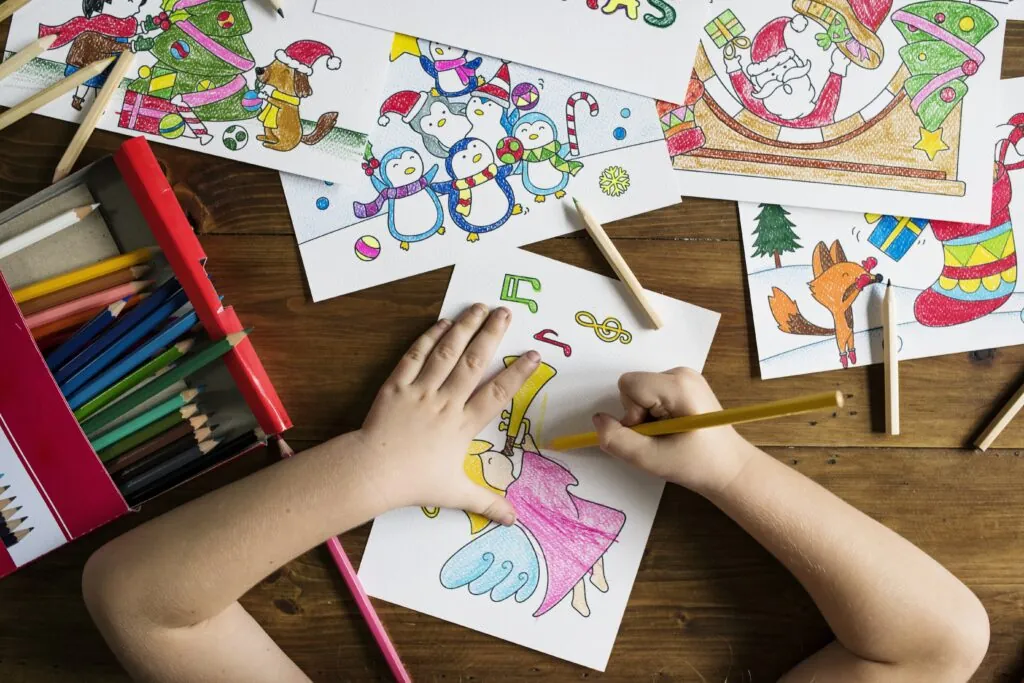
Photo By Pixabay
Kids don’t just learn through books; they learn through movement, creativity, play, and curiosity.
In fact, some of the most important developmental skills are built when children are not sitting still. Drawing, dancing, running, building, coloring, and experimenting all play a role in shaping focus, confidence, coordination, and emotional wellbeing.
That’s why blending creativity with physical activity can be one of the most powerful ways to support healthy development in children.
Why Movement Matters for Learning
Physical activity isn’t just about fitness; it directly supports brain development. When kids move, they:
- improve concentration,
- strengthen memory,
- develop coordination,
- release stress and tension,
- and become more engaged in learning.
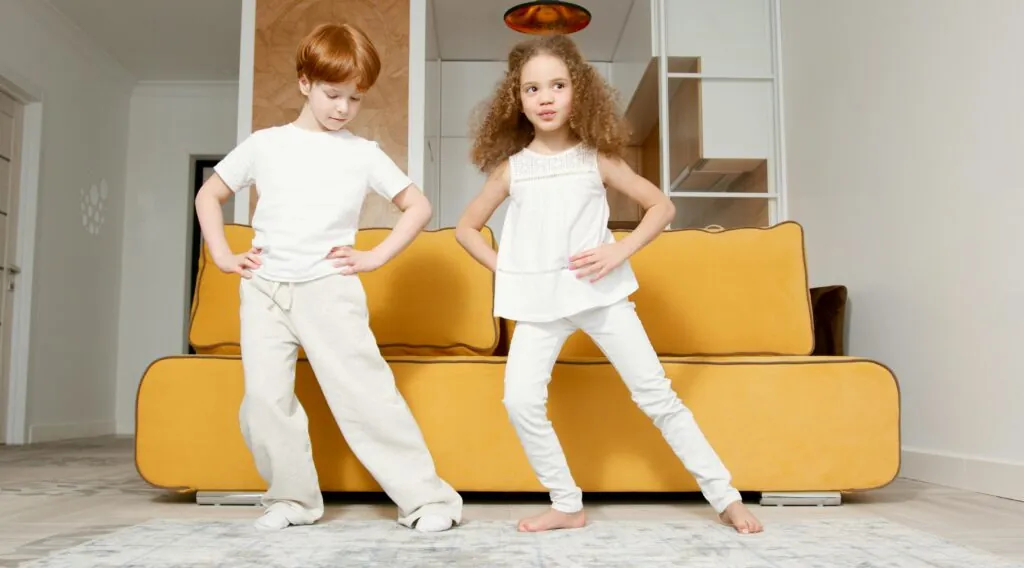
Even simple activities like stretching, jumping games, or dancing to music can reset attention and improve focus afterward.
This is why many educators now include movement breaks in classrooms; because active bodies often support more focused minds.
Creativity Builds Confidence and Expression
Alongside movement, creative activities help children to express ideas, emotions, and imagination.
Drawing, coloring, painting, and design-based play allow kids to explore without pressure or rules. There’s no “right answer,” which builds confidence and encourages experimentation.
Creative activities also help children:
- develop problem-solving skills,
- improve fine motor control,
- strengthen visual thinking,
- and build patience and focus.
One simple way to encourage creativity at home is through digital or printable coloring tools.
For example, an Online Coloring Tool offers a free and easy way for kids to explore color, patterns, and design in a fun, interactive format.
It’s especially useful on rainy days, travel time, or quiet afternoons when structured activities aren’t available.
Teaching Kids About Color Through Play
Color is one of the first ways children begin to understand the world visually. Learning how colors work together helps kids develop:
- visual awareness,
- artistic confidence,
- and early design thinking skills.
Simple online tools like a Color Palette Generator can also be a helpful way for older kids (and parents) to explore how colors combine and interact.
While it’s often used for design or creative projects, it can also be a fun way to introduce children to the idea of patterns, harmony, and visual balance in a playful, hands-on way.
Even something as simple as choosing colors together can become a shared learning experience between parents and children.
Combining Creativity and Movement for Better Development
The real magic happens when creativity and physical activity are combined. For example:
- acting out stories while drawing scenes,
- outdoor scavenger hunts followed by creative journaling,
- or turning movement games into storytelling exercises.
This combination helps children engage both sides of the brain, logical and imaginative, while keeping learning active and enjoyable.
It also helps reduce screen fatigue by offering more hands-on, interactive experiences.
Why Play-Based Learning Still Matters
In a world full of digital devices and structured schedules, play often gets overlooked, but it remains one of the most important parts of childhood development.
Through play, children naturally learn:
- how to solve problems,
- how to communicate,
- how to manage emotions,
- and how to explore the world safely.
Creativity and movement aren’t “extras” in learning, they are essential building blocks.
Final Thoughts
Helping kids grow doesn’t always require structured lessons or complex systems. Sometimes, it’s as simple as giving them space to move, tools to create, and freedom to explore ideas without pressure.
Whether they’re dancing in the living room, drawing with colors, or experimenting with digital tools like coloring and palette generators, every small moment contributes to their development.
And often, the most meaningful learning happens when kids don’t even realize they’re being taught; they’re just having fun.